Does ESA Matter If I'm Not Applying in a Pesticide Use Limitation Area?
Stay Updated on ESA Restrictions
A growing misconception in the industry is that a pesticide applicator only needs to worry about Endangered Species Act (ESA) restrictions if the application is located inside a Pesticide Use Limitation Area (PULA).
However, that is not how many new and updated labels are written today.
Several pesticide labels—especially those updated under the EPA’s Endangered Species mitigation framework—include mandatory runoff mitigation requirements that apply even outside a PULA.
This means:
You may still need to meet runoff mitigation points even when your application site is not inside a PULA.
Let’s break down why this confusion exists and how to determine when compliance is required.
The Source of Confusion
Most applicators have been trained that:
“ESA requirements only apply when you’re in a PULA.”
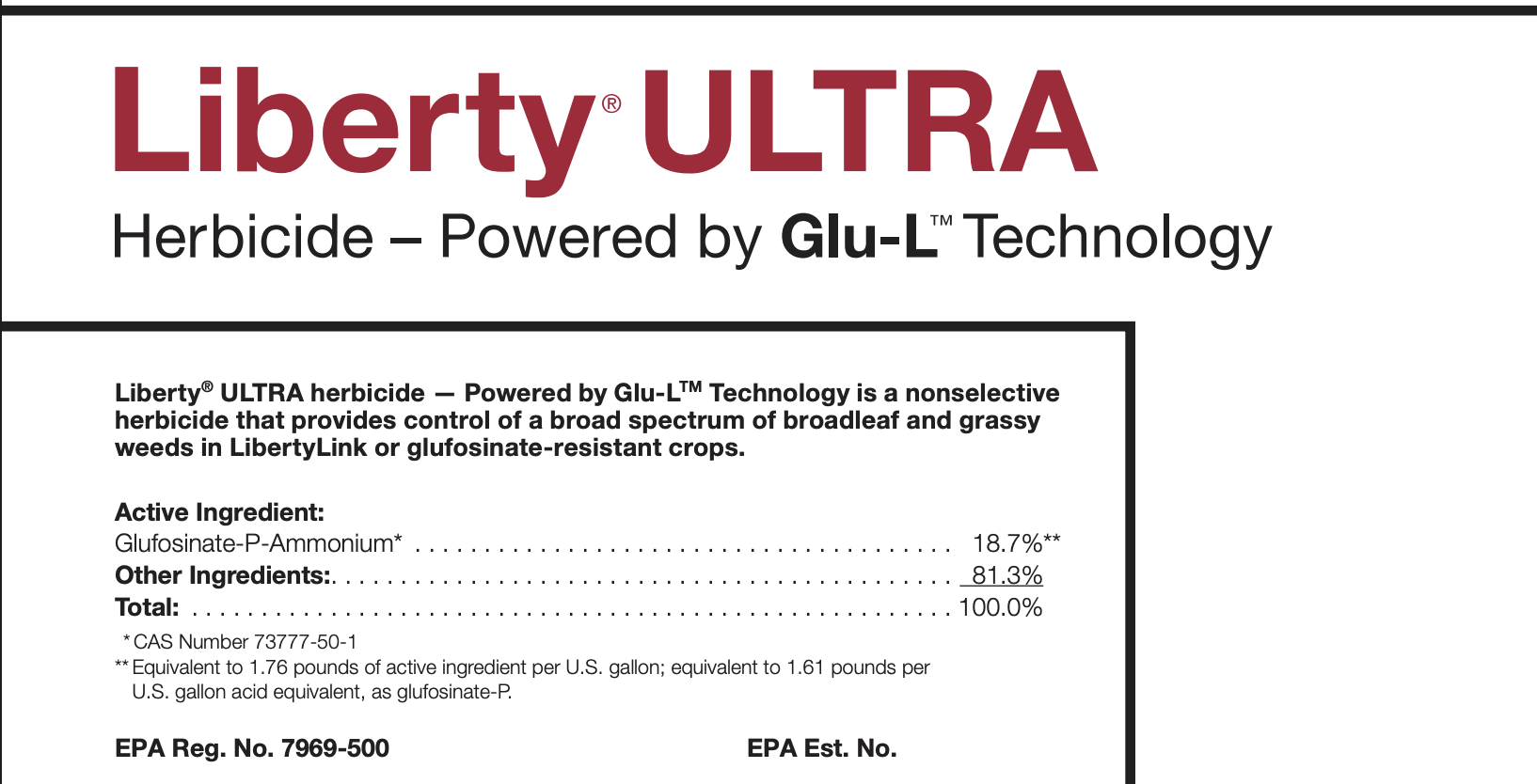
But newer labels include language like the following (excerpted from the Liberty Ultra label):
“If the application site is located outside a PULA, runoff/erosion mitigation is required for this product unless certain field/application parameters are present…”
And further:
“A minimum of three points… must be achieved.”
This establishes two parallel systems:
- PULA-driven restrictions inside a PULA (determined via BLT)
- Runoff mitigation-driven restrictions even outside a PULA
They are related but not interchangeable.
Why Runoff Mitigation Still Applies Outside PULAs
PULAs are geographically defined ESA protection zones used to restrict pesticide applications that could impact endangered species.
However, runoff mitigation exists for a broader purpose:
- Reducing sediment and pesticide movement off-site
- Protecting aquatic resources
- Accounting for high-risk field conditions
- Acknowledging vulnerability even in non-PULA counties
So while PULAs represent ESA-related geographic restrictions…
Runoff mitigation is a pesticide-specific requirement that applies no matter where you are—unless the product label explicitly exempts your field conditions.
When Are You Required to Meet Mitigation Points Outside a PULA?
For many products, the label includes three critical rules:
1. You MUST check Bulletins Live! Two (BLT).
This determines whether you are inside a PULA for the application date.
Bulletins Live! Two2. If you are inside a PULA → follow the Bulletin.
Restrictions may include:
- No-spray buffers
- Timing limitations
- Mandatory drift mitigation
- Application method restrictions
3. If you are outside a PULA → runoff mitigation may STILL be required.
Unless specific field conditions exempt you (e.g., tile drains with controlled outlets, berm systems, tailwater return structures), you must meet the minimum point requirement.
This is the nuance many applicators miss.
A Clear, Simple Order of Operations
Below is the recommended step-by-step process for compliance:
Step 1 — Check Bulletins Live! Two (BLT)
You must determine whether your application is inside a PULA.
- Enter application location
- Enter application date
- Select the product
If a Bulletin applies → stop and follow the Bulletin requirements.
If no Bulletin applies → proceed to Step 2.
Step 2 — Determine if Runoff Mitigation Applies
Read the product’s mandatory runoff mitigation section (often Section 11).
Look for language like:
“If the application site is located outside a PULA, runoff/erosion mitigation is still required unless…”
If the label says runoff mitigation still applies → proceed to Step 3.
Step 3 — Check Whether Your Field/Application Parameters Exempt You
Common exemptions include:
- Subsurface drains with controlled outlets
- Perimeter berm systems
- Irrigation tailwater return systems
- Spot treatments
- Certain conservation program participation
If you meet an exemption → no runoff points required
(though other precautions may still apply).
If you do NOT meet an exemption → proceed to Step 4.
Step 4 — Determine Your Required Mitigation Points
The label will specify a minimum number (usually 1–3 points).
Examples of measures include:
- County runoff vulnerability score
- Vegetative strips
- Soil incorporation
- Conservation tillage
- Cover crops
- Grassed waterways
- Water retention systems
- Irrigation water management
Full list:
https://www.epa.gov/pesticides/mitigation-menu
Step 5 — Implement and Document the Required Mitigation Measures
To be valid:
- They must meet EPA’s description on the Mitigation Menu
- They must be in place at the required timing
- They must match the point values used for compliance
Putting It All Together
Here’s the correct logic in one sentence:
You must always check BLT for PULA restrictions AND you must follow label-required runoff mitigation even outside a PULA unless the field meets specific exemption conditions.
PULA ≠ runoff mitigation
Runoff mitigation ≠ PULA
Both may apply — and often do.
This is why automated systems, like the Acre Blitz PULA Check, handle both processes for you.
Practical Example
If you're spraying a product with:
- Mandatory runoff mitigation: 3 points required
- Instruction to check BLT
- Additional mitigation required if outside a PULA
Then your compliance workflow is:
- Check BLT
- If inside PULA → follow Bulletin
- If outside PULA → apply runoff mitigation requirements
- Determine if your field has any qualifying exemptions
- If not, choose measures that total 3 points
This is true even if the nearest PULA is hundreds of miles away.
Summary
PULAs and runoff mitigation serve different purposes:
- PULAs protect endangered species in sensitive geographic areas
- Runoff mitigation protects aquatic systems everywhere
Because labels often require both, applicators must not assume that being outside a PULA means they’re exempt from ESA-related runoff rules.
Understanding this distinction is essential for consistent, defensible compliance.